
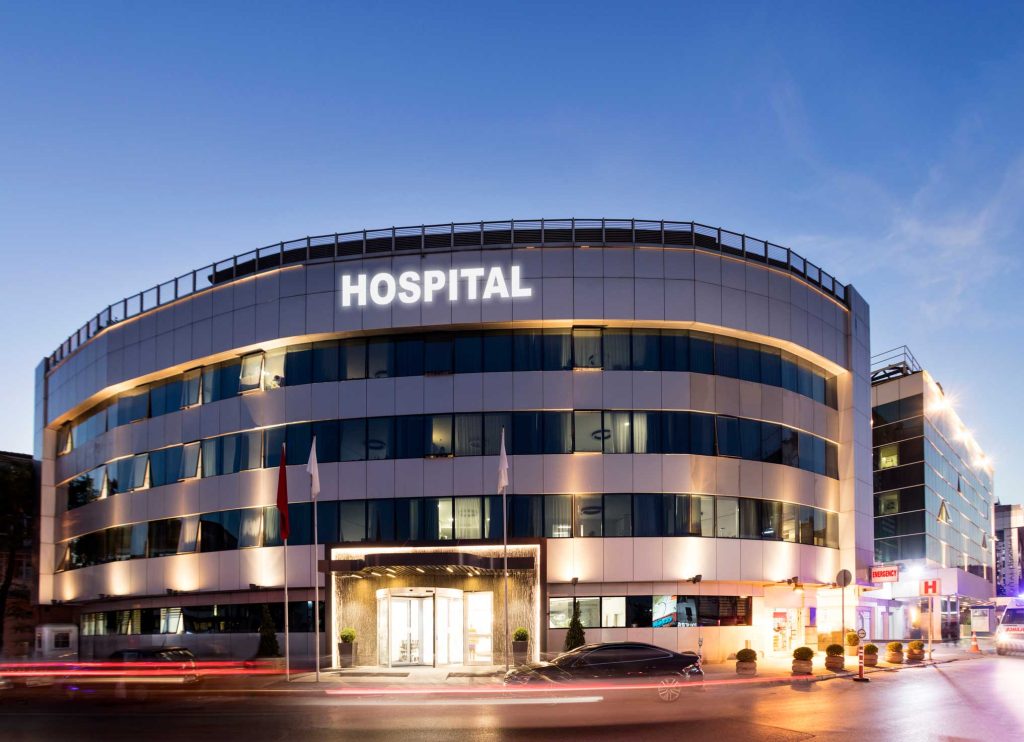
Healthcare PA Speaker Systems
Introduction to Communication Systems
Clear audio communication is essential for any organization, especially in healthcare, where safety and quick response are critical. Modern systems like IP paging, public address, and intercoms are designed to work with your current setup, providing reliable ways to share information.
These systems help ensure important messages reach the right people, whether for routine tasks or emergencies. By using both analog and digital technologies, hospitals can have a robust audio network that meets their needs, from routine updates to urgent alerts. This suppleness helps satisfy changing demands, improves efficiency, and keeps patients, staff, and visitors safe.
Reliable Hospital Communication and Emergency Response in Every Zone
Healthcare PA speaker systems let staff quickly communicate with any part of the hospital, from specific departments to the whole campus. Paging systems are key for making announcements and alerting doctors and staff in different areas.
Modern IP paging solutions manage routine messages, nurse station calls, and emergency alerts over a single network. Today’s public address systems have moved beyond basic analog paging to advanced IP networks, allowing flexible zoning and exact control over announcements.
In emergencies, every second counts. A good public address system ensures evacuation instructions, code alerts, and safety messages reach the right people right away. This helps protect patients, staff, and visitors and keeps other areas calm. Flexible zoning lets you send messages to certain areas without interrupting others. Clear speech is especially important in hospitals, where equipment and alarms can make it hard to hear.
Why You’ll Love It
- Instantly deliver critical alerts to any hospital zone or facility-wide using priority override.
- Page patient rooms, corridors, and common areas directly from nurse stations via intuitive consoles.
- Play calming background music and key announcements in patient and visitor areas while maintaining clear staff paging.
- Target announcements to departments or care areas without disrupting others using intelligent zone management.
- Use existing networks with PoE speakers for affordable deployment and easier upkeep.
- Adapt to any hospital’s needs with flexible configurations that enable future growth and customization.
- Medical Knowledge and Relaxation Broadcasting – IP network PA systems can facilitate the broadcasting of medical knowledge and relaxing background music in patient recovery areas.
What Makes It Different
Most hospital communication systems focus on basic one-way paging with limited flexibility and aging analog infrastructure.
Healthcare PA Speaker Systems are built differently:
HIPAA-Compliant Design
Protected communication protocols, zone-restricted messaging, and audit logging protect patient privacy during announcements.
Medical-Grade Reliability
Continuous uptime with battery backup systems, automatic speaker health monitoring, and network redundancy for unbroken operation.
Intelligent Zone Management
Automatically route emergency alerts with priority override whilst preserving normal operations in unaffected areas.
Integration with Hospital Systems
Connect with nurse call systems, fire alarms, VMS security cameras, and VoIP phone systems through SIP protocols and standard healthcare APIs.
How It Works
- Network Deployment IP speakers can be installed quickly using the existing hospital network infrastructure. PoE connectivity eliminates the need for separate power wiring, and central computing servers manage all endpoints across the facility.
- Zone Configuration: Configure speaker zones for emergency rooms, patient floors, surgical suites, and outdoor campus areas. Software dashboards allow administrators to adjust volume, schedule announcements, and manage zone groupings.
- Real-Time Communications Staff make live announcements through paging microphones, dispatch consoles, or SIP phones. Emergency codes trigger prerecorded messages automatically. Visual displays and strobes supplement audio for high-noise areas and for accessibility compliance.
PA System Components
A complete public address (PA) system includes key components that work together to deliver clear communication in hospitals. Microphones and amplifiers capture and amplify sound for sharing across the facility. Different types of speakers, such as ceiling, wall, and horn models, ensure messages and music are heard everywhere, from patient rooms to hallways.
Controllers and software help staff schedule messages, manage zones, and adjust sound for each area. These parts are designed to integrate with your current network and handle both routine and emergency needs. By customizing the system, hospitals can reliably deliver important information, improve the patient and staff experience, and keep everyone safe and informed.
Implementation Factors
Deploying an effective communication system in a healthcare facility requires careful planning and attention. Key considerations: Setting up an effective communication system in a hospital requires careful planning.
You need to consider your facility’s needs, size, layout, and the reliability and security of the system. The system you choose—whether it’s IP paging, public address, or intercom—should be flexible and able to grow with your hospital. Routine upkeep and monitoring are important to keep everything working well.
Choosing durable, easy-to-integrate parts helps reduce downtime and keeps everyone safe. In the end, a well-planned system helps your hospital run smoothly, respond quickly to emergencies, and stay secure.. Wideband audio codecs such as G.722 are used to provide high-quality sound (audio codecs are programs that compress and transmit audio signals).
Product Details
- Network Protocol: SIP/IP-based with hospital network integration and wideband audio codecs (G.722).
- Speaker Types: Ceiling mount for patient rooms (ASC15 series), wall mount for corridors, horn speakers for outdoor and high-noise zones, display speakers with LCD screens and strobes for emergency areas.
- Audio Output: Up to 110 dB SPL for critical notification in noisy environments.
- Compatibility: Integrates with Cisco and Avaya (popular phone network brands) and major VoIP (Voice over Internet Protocol) systems. ONVIF support allows integration with Video Management Systems (VMS) for security cameras. Analog gateway options enable connections to retrofit older speakers that do not use network protocols.
- Included Components: IP speakers, paging microphones, network controllers, emergency alert interfaces, centralized management software.
- Compliance: FCC (Federal Communications Commission) certified. Ready for hospital fire safety integration, meaning it can be used with existing fire alarm and emergency notification systems (such as those certified for EN 54 or NFPA 72 standards, which are international and US fire alarm regulations).
- Warranty: 3-year coverage with lifetime technical support and training.
Who It’s For
Ideal for:
- Hospital facility managers implementing campus-wide communication systems.
- Healthcare IT directors upgrading legacy analog paging infrastructure.
- Nursing supervisors require reliable patient area communication and intercom capabilities.
- Emergency response coordinators ensure rapid alert capabilities across all zones.
- Medical center administrators looking for secure, compliant announcement solutions.
If your organization needs a flexible communication system that keeps patients safe and helps staff work more efficiently, these solutions are a great fit.
Frequently Asked Questions
Direct integration occurs through standard SIP (Session Initiation Protocol) and healthcare APIs (software connectors for applications), as well as relay triggers (devices that send electrical signals to activate responses). The system can receive inputs from nurse call buttons and automatically route notifications to appropriate staff devices or zones.
Yes. Priority override capabilities (the ability to interrupt ongoing messages with urgent ones) automatically interrupt routine audio for emergencies. The system can trigger prerecorded evacuation messages through integration with fire alarms, the dispatch console (the main control interface), or specific emergency dialing codes. Note that these IP paging systems supplement—but do not replace—certified EVAC (emergency voice alarm communication) systems required by NFPA 72 or EN 54 regulations (national and international fire safety standards).
HIPAA-compliant design includes protected communication protocols (TLS, SRTP), role-specific access controls, zone-restricted messaging to prevent the broadcast of sensitive information, and comprehensive audit logging.
Battery backup systems maintain critical communication capabilities. PoE infrastructure can be protected with UPS systems, and network health monitoring can alert administrators to connectivity issues.
Pre-configured systems ship within 3-5 business days. Auto-provisioning simplifies endpoint setup, and remote technical support assists with zone configuration and testing. Most healthcare facilities achieve full deployment within weeks rather than months.
Ready to Upgrade Your Hospital Communication?
Don’t depend on old paging systems that can’t control zones, may fail in emergencies, or are hard to maintain because of outdated equipment.
Choose Healthcare PA Speaker Systems to ensure your hospital has dependable communication in every department, on every floor, and across the entire campus. These systems help staff, doctors, and patients stay informed with clear messages throughout the facility.
HIPAA-compliant deployment. 3-year warranty. Lifetime technical support and training included.
Contact us by email or click to learn more about our products for healthcare facilities. You can also read our case studies to see how other hospitals use modern IP paging solutions to improve communication and safety.